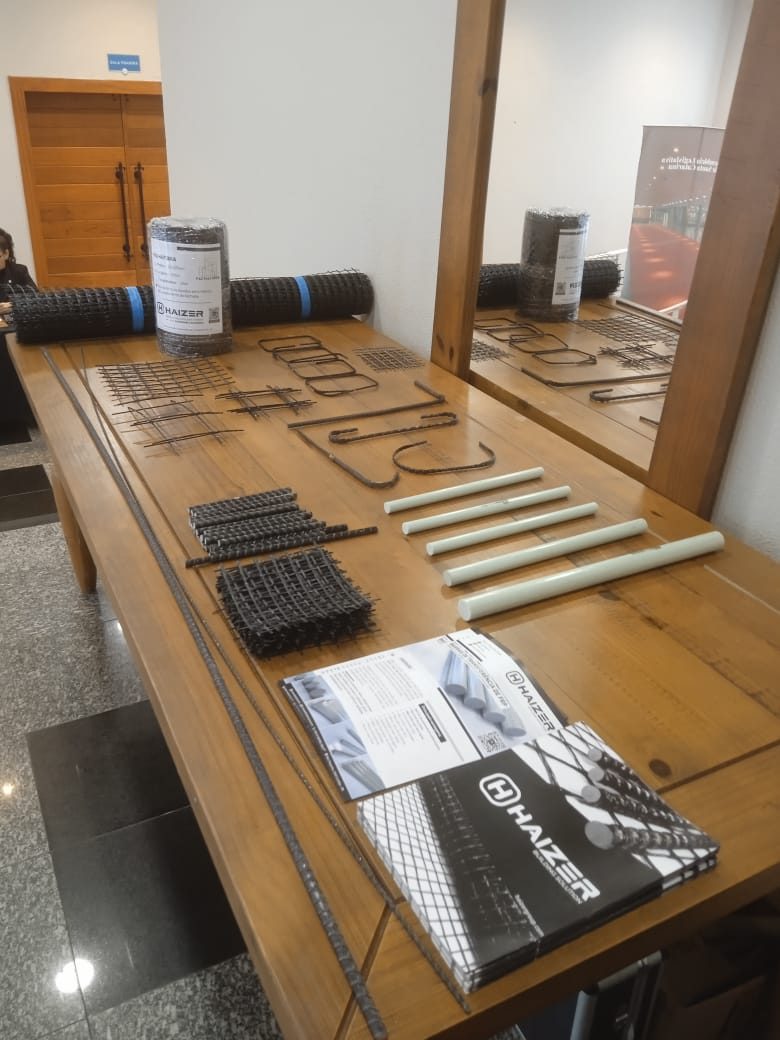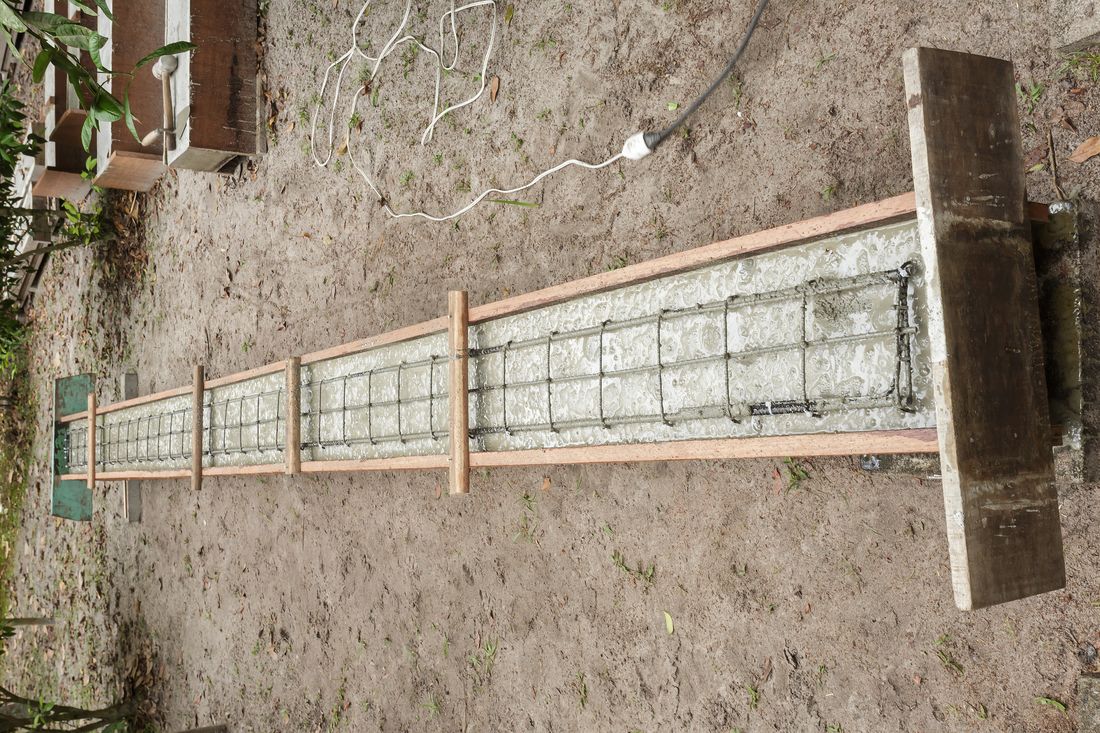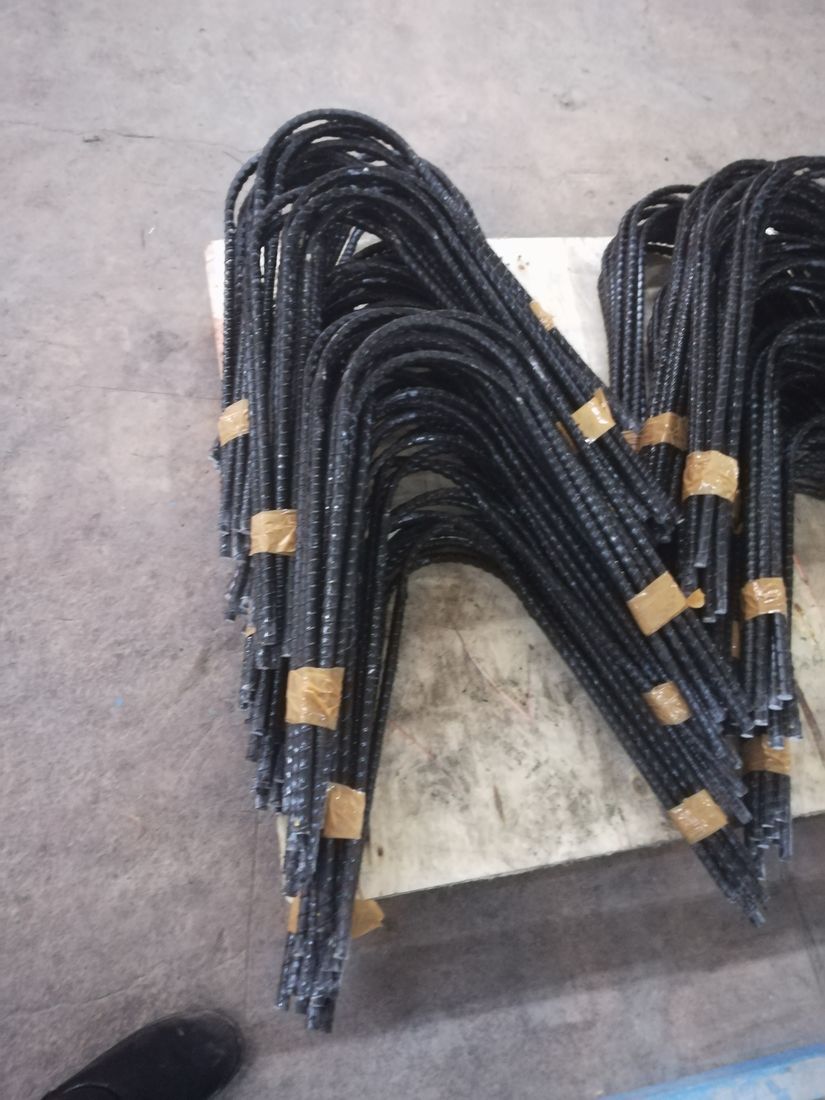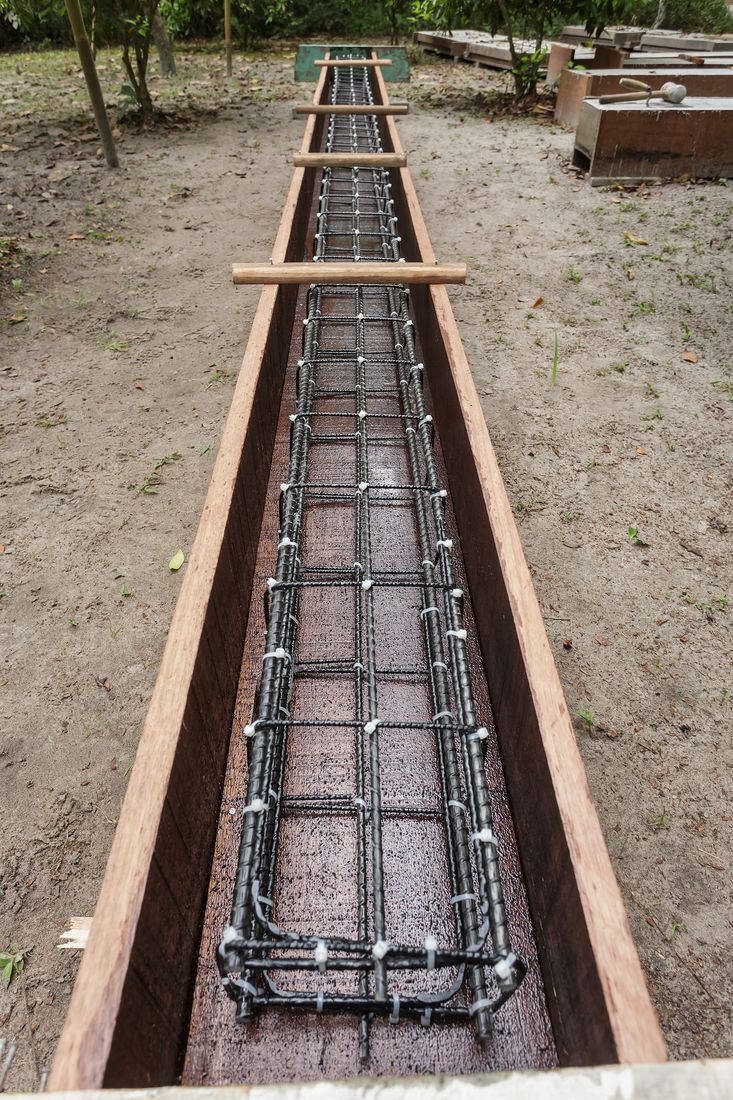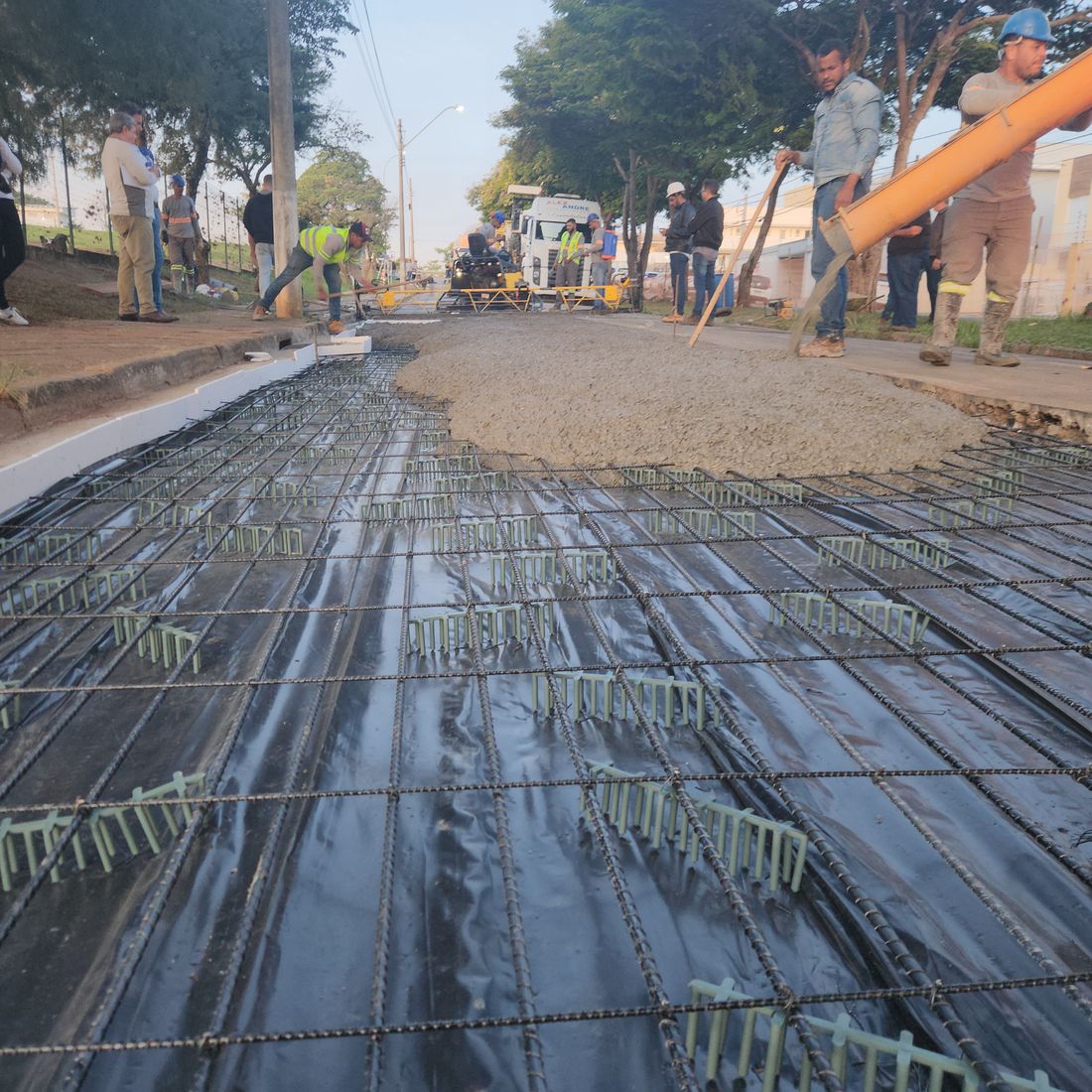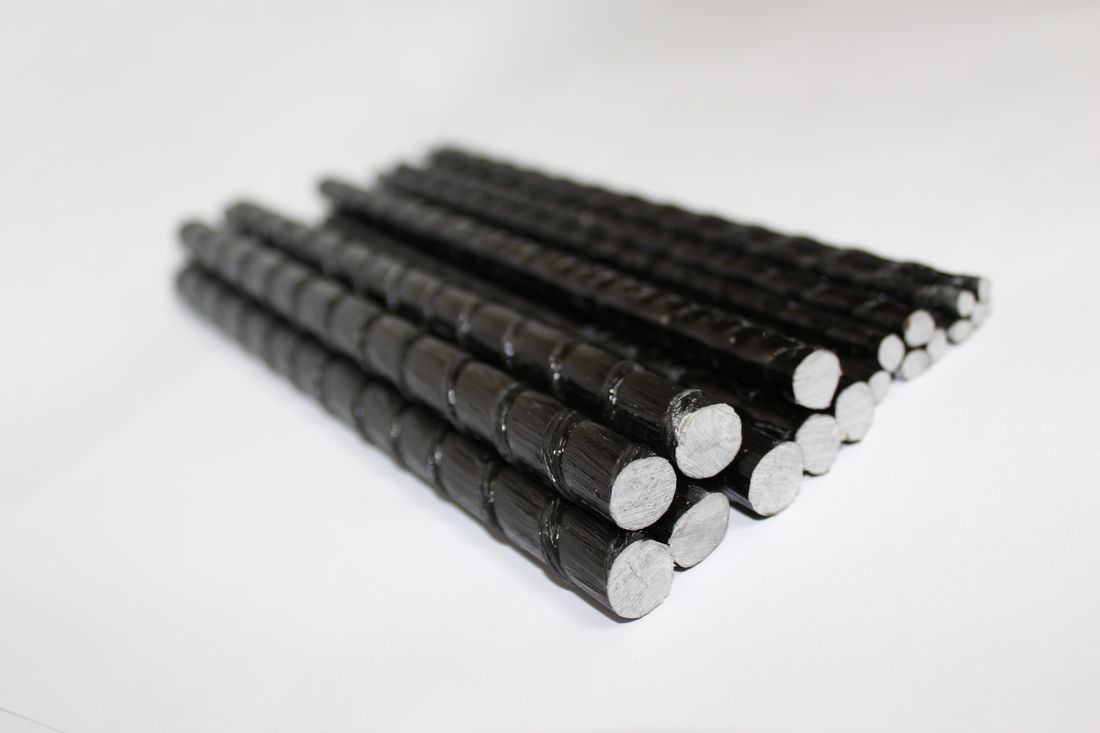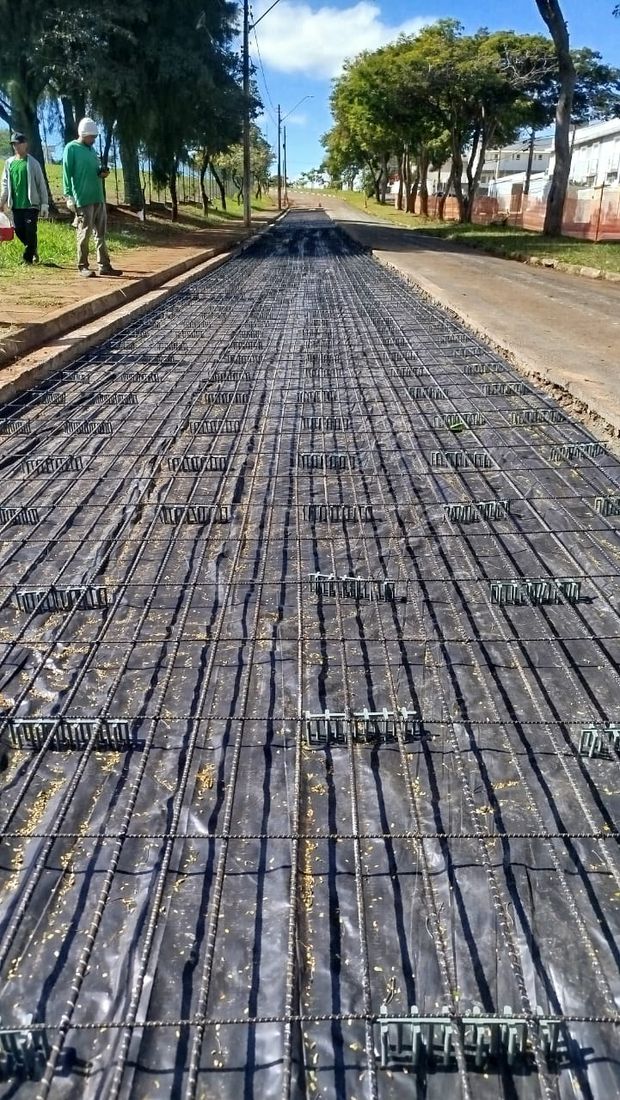
Tensile strength: 800–1,300 MPa. Elastic modulus: 50–67 GPa. Diameters: 4–32 mm. Non-metallic.
The GFRP rebar or bar — Glass Fiber Reinforced Polymer, a non-metallic composite material also known in the market as fiber rebar. This is a technology consolidated for over 30 years in countries such as Canada, the United States, Italy and Germany, now regulated in Brazil by ABNT NBR 17201:2025 and ABNT NBR 17196:2025. The main characteristic of GFRP is the complete absence of any metallic component: no oxidation, no cover expansion, no degradation from chlorides, acids or alkalis — ensuring a minimum structural service life of 80 years even in highly aggressive environments.
| Property | Haizer GFRP | Min. NBR 17201:2025 |
|---|---|---|
| Tensile strength (MPa) | 800 a 1.300 | ≥ 800 |
| Elastic modulus (GPa) | 50 a 67 | ≥ 45 |
| Strain at failure (%) | 2,2 a 2,7 | ≥ 1,1 |
| Bond to concrete (MPa) | 16 a 29 | ≥ 12 |
| Density (g/cm³) | ~2,10 | — |
| Designed service life | Minimum 80 years | — |

What GFRP or BFRP rebar delivers as concrete reinforcement:
Depending on project requirements, bars are produced with Glass, Basalt, Carbon or Aramid Fibers, or by combining these fibers.